Search This Blog



Soft Wild Rose Memory Blog.
The vision for Soft Wild Rose Memory Blog,
immerses a natural lifestyle, a calm & vivid oasis, while embracing
nature, learning, harmony, savoring, meditation,
and also it involves nurturing the subconscious
& senses with healing, nurturing imagery, inspiration..
- Soft Wild Rose Memory. {Music} Posts
- Add Cinnamon flower :) Powder To Your Tea and Coffee And This Will Happen
- Aman Hanoi
- Drinking tea at a traditional Korean Tea House (전통 찻집) in Insadong, Seoul, Korea
- Le Mirador, Montreux, Switzerland
- JAPANESE TEA FARM IN SHIZUOKA����
- Maesil extract (Maesil-cheong) is used widely in traditional Korean cuisine as a sweetener. It's made from maesil (aka green plums) Japanese apricot
- Soft Wild Rose Memory. {Birdsong) Posts
- Soft Wild Rose Memory, {Health Posts}
- Soft Wild Rose Memory., {Organic Life} Posts
- Mariage D'Amour
- Masai Mara - safari adventure in a wildlife paradise - Predators, big herds and wildebeest migration
- Old Town of Lijiang, Yunnan, China)
- Oriental Posts, Soft Wild Rose Memory
- The Ryokan Collection
Soft Wild Rose Memory. All Postings.
Soft Wild Rose Memory. All Postings.
-
-
-
-
-
-
- Olivia Ong Fall In Love With Olivia專輯組曲
- Olivia Ong - A Girl Meets Bossanova (S2S) [Full Al...
- 0:14 / 5:17 the girl from ipanema (original versio...
- Bloom & Wild Meets Lisa Goody: How To Make Flower ...
- DIY Baby's Breath Flower Crown
- Flower Crown DIY -- 🌷
- Historia De Un Amor - Instrumental Piano Cover.
- Estella's Theme - Great Expectations
- Grandes Esperanzas - Great Expectations [Alfonso C...
- Great Expectations - Estella confessing
- Gapstow Bridge In Central Park, New York City
- The Best Compilation of Traditional Smooth Jazz Mu...
- Morning JAZZ Music - Soothing Instrumental Jazz fo...
- Juice Recipes from Isha Yoga Center’s A Taste of W...
- Skaters glided gracefully across the frozen surfac...
- Figure Skating on a Frozen Lake Louise
- How Figure Skaters Like Mirai Nagasu Actually Trai...
- Juke Ross - Fresh Roses (Lyrics in CC)
- Matthias Maute: Red roses garden, Treble recorder ...
- 0:23 / 3:00 Lynn Anderson - Rose Garden
- Garden Rose "Red Piano"
- flower red rose blooming
- Mariah Carey- Underneath The Stars
- One of my life favorites =) I first loved the nove...
- Wojciech Kilar - Love Remembered
- ♫ Once Upon A December (Piano Vers.)
- J'en ai Rêvé | Once Upon a Dream (French) (lyrics ...
- The Aristocats - Scales & Arpeggios
- Alice In Wonderland - In a World Of My Own
- Beauty and the Beast (1991) Scene: The Library Sur...
- Beauty and the Beast - Something There [HD]
- Ideal Japanese Breakfast
- Lambs Frolicking Freely - Deep Peace Trust
- Three kittens and a herd of goats..
- Villa di Serenita ..Incomparable ocean, island & m...
- Feels like me ;)=) . 1:17 / 6:00 La Villa Contenta...
- 0:46 / 1:32 Antiques Roadshow | Decorating with An...
- 2:49 / 10:34 Trash to Treasure Episode 7 ~ Farmhou...
- Find simple spring decor ideas and inspiration to ...
- Chores on my Little Farm are an every day thing an...
- Nicole Kidman invites us to the land down under fo...
- How To Make Sourdough Bread Masterclass...
- WHAT I EAT IN A DAY | vitamix edition
- Grocery Haul Healthy | Large Family Grocery Shopping
- Growing California video series: Strawberry Fields...
- Pragelpass, Schwyz SWITZERLAND アルプス山脈
- 0:20 / 6:39 Romantic French pink interiors
- Fairy Gardens...
- 2:11 / 3:39 Stunning Georgian Property in Worceste...
- Georgian Architecture & period homes, are so lovel...
- 0:18 / 2:20 Lavandes de Provence
- Apple Picking @Honey Pot Hill Orchard
- Stimmhalt - Again (Original Mix) 6,176 views
- 0:16 / 6:44 Crave The Day (original mix) ✔
- 0:19 / 4:25 Enigma - Callas Went Away
- Winter Sun - Ice Skating on Lake - Keilija
- 0:21 / 4:41 Selena - I could fall in love
- Feels Like Home - Chantal Kreviazuk (Traducida)
- Family values completely :) Chantal Kreviazuk - Fe...
- Landon Pigg - Falling In Love At A Coffee Shop
- I Try - Macy Gray (Cover by Jasmine Thompson)
- Sign of the Times - Harry Styles (Cover by Jasmine...
- white oleander part 1
- Designer Jessica Cotton was inspired by the proper...
- Four Seasons Provence...
- PRESENTATION HÔTEL VILLA SAINT ANGE
- The boutique hotel "Tatyana Provence": the art of ...
- La Divine Comedie hotel, Avignon, South of France ...
- This is my rose garden. The secret behind these be...
- The largest private rose garden in the world has r...
- Roseto San Bellino (Rovigo) - Rose antiche - Itali...
- So beautiful song...0:17 / 4:00 Mariah Carey- Forever
- 0:09 / 4:27 Have You Ever Really Loved A Woman? Ma...
- Have you ever really loved a woman - Cover - JULIA...
- 0:15 / 1:30 Swan Princess - Odette's Death [Fandub...
- 0:13 / 0:1 "What else...."
- 0:43 / 4:58 The Swan Princess - This Is My Idea
- One of my favorite songs forever....trip hop
- Great expectations 1998 - this is my heart and it'...
- 0:22 / 2:58 Corfu Island - Greece (HD)
- Grecotel Corfu Imperial Luxury Hotel in Corfu, Gre...
- An award-winning beachfront villa resort on the be...
- 0:16 / 5:19 Les Baxter - Jungle flower (Club des b...
- 0:13 / 1:17:12 Tea Dance: 1920s, 30s, 40s Vintage ...
- Rachael Yamagata - Over and Over
- Lighting Tips: How to Capture that ‘National Geogr...
- Natural Lighting Tips from Bob Holmes - Natural Li...
- Sambuichi lived close to nature as a child, at the...
- Monish Siripurapu, an architect based in New Delhi...
- Amazing Indoor-Outdoor Architecture Near Venice Beach
- In this movie Japanese architect Sou Fujimoto disc...
- How To Think Like An Architect: Designing From Nat...
- Dr. A N Nagaraj lives a healthy and happy life at ...
- Not only is well-being fundamental to a sense of l...
- Tips for Starting a Healthy Lifestyle!
- Lisa Lovbrand & David Foster when I fall in love
- 0:47 / 4:47 The Nearness of You - Lisa Lovbrand
- 0:32 / 2:34 Sicily Travel, Tours, Vacation - Medit...
- Ippolito Caffi (1809 - 1866) was an Italian painte...
- Mediterranean Turkey - Mediterranean Turkey (Akden...
- Pavlo - Leila
- 0:16 / 3:33 Concha Buika - La Bohemia
- Beth Hart - Tell Her You Belong To Me
- Le Château des Briottières
- How to arrange Lilies and Roses with vase...
- They belong to the Turkish Aegean just as much as ...
- Pénétrez dans le savoir-faire de la ville de Grass...
- Fantastic Provence - Orange Blossom, The Sweet Sce...
- 0:19 / 2:01 Cape Split, Nova Scotia
- 0:19 / 6:52 Cabot Trail, Nova Scotia, Canada
- 0:15 / 1:57 Return to the Location of the Blue Lag...
- 0:18 / 4:24 Come away with me... Yoga retreats wit...
- Flora Martínez - "Flora" - Álbum Completo - Full A...
- 0:31 / 1:03:48 The Best Deep House Vocal Chill Out...
- 0:11 / 2:23:51 Vintage Latin Cafe Official Playlis...
- HOW TO ARRANGE ROSES | DIY FLOWER ARRANGEMENTS | S...
- Alla Prima Rose Painting Demonstration
- Cynara - Old Fort Bay, Bahamas Home Estate
- Home Foodie - Easy Hazelnut Milk Tea
- Great Expectations - Finn e Estella crianças (subt...
- Great Expectations - Finn reencontra Estella em No...
- GUACALITO DE LA ISLA / MUKUL
- 0:33 / 6:57 Mukul Beach, Golf & Spa
- 0:24 / 3:09 Dennis Blair's Schell House - A Mid-Ce...
- Watch this video and learn how to cook a tradition...
- Braised Chicken in the Power Pressure Cooker XL - ...
- Chicken in Milk?! | Jamie Oliver & Gennaro Contaldo
- A Spanish Portrait: Llobet, Tárrega, Granados, Alb...
-
-
-
-


Artisan+Appreciative+Savoring Lifestyle, of Western & Eastern philosophy, approach, art, song, wellbeing, design... “You were born a child of light’s wonderful secret— you return to the beauty you have always been.”

Soft Wild Rose Memory Blog.


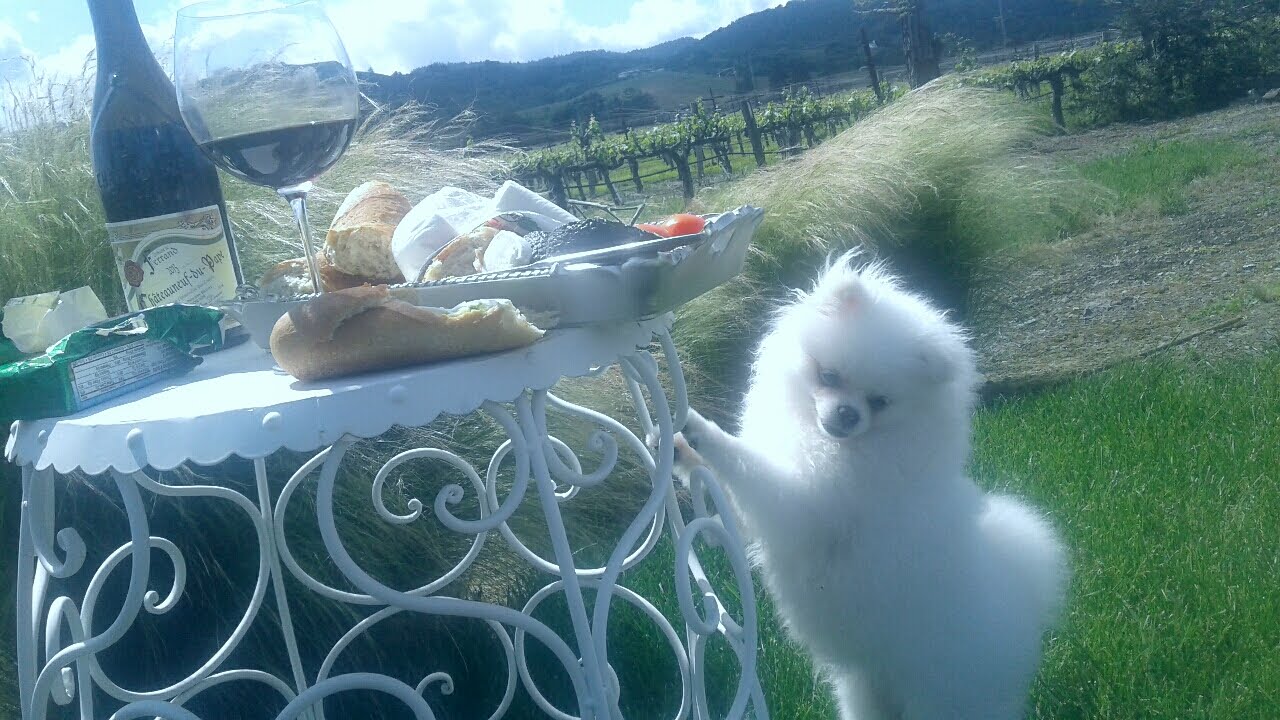
Remember...
"Remember the life...and the flowers..."
-Lilia Kalinina...
Love the world as your own self; then you can truly care for all things. Lao Tzu
....
"When one tugs at a single thing in nature, he finds it attached to the rest of the world." John Muir
Soul...
"Oh...but the soul speaks...it always speaks..."
-Lilia Kalinina
Life...
“Two things you will never have to chase: True friends & true love.”
― Mandy Hale
― Mandy Hale
― C. JoyBell C.
“You only need one man to love you. But him to love you free like a wildfire, crazy like the moon, always like tomorrow, sudden like an inhale and overcoming like the tides. Only one man and all of this.”
― C. JoyBell C.
― C. JoyBell C.
Nature...
"The lover of nature is he whose inward and outward senses are still truly adjusted to each other; who has retained the spirit of infancy even into the era of manhood. His intercourse with heaven and earth, becomes part of his daily food. " Ralph Waldo Emerson



Popular Posts


Beautiful vistas: St Moritz in the summer | DW English
- Get link
- X
- Other Apps
- Get link
- X
- Other Apps


Pretty Woman - It Must Have Been Love - 16:9 Wide Screen
- Get link
- X
- Other Apps

In this movie Japanese architect Sou Fujimoto discusses his philosophy of designing structures that are "in between" opposing concepts such as nature and architecture, and says the approach could work just as well on a skyscraper as a small private house. "Nature and architecture are fundamental themes [of my work]," says Fujimoto, speaking to Dezeen after giving his keynote speech at this year's World Architecture Festival. "I like to find something in between. Not only nature and architecture but also inside and outside. Every kind of definition has an in-between space. Especially if the definitions are two opposites, then the in-between space is more rich."
- Get link
- X
- Other Apps

Ricky Blues duo au PLAZA ATHENEE PARIS - I'm Yours
- Get link
- X
- Other Apps

One of the oldest sourdough breads dates from 3700 BCE and was excavated in Switzerland, =)
- Get link
- X
- Other Apps

Wikipedia
Search results
Translate
- Get link
- X
- Other Apps
Labels
"We are born capable of sensation and from birth are affected in diverse ways by the objects around us. As soon as we become conscious of our sensations we are inclined to seek or to avoid the objects which produce them"
http://infed.org/mobi/jean-jacques-rousseau-on-nature-wholeness-and-education/
Nature, wholeness and romanticism
Rousseau argued that we are inherently good, but we become corrupted by the evils of society. We are born good – and that is our natural state. In later life he wished to live a simple life, to be close to nature and to enjoy what it gives us – a concern said to have been fostered by his father. Through attending to nature we are more likely to live a life of virtue. Jean-Jacques Rousseau was interested in people being natural.
We are born capable of sensation and from birth are affected in diverse ways by the objects around us. As soon as we become conscious of our sensations we are inclined to seek or to avoid the objects which produce them: at first, because they are agreeable or disagreeable to us, later because we discover that they suit or do not suit us, and ultimately because of the judgements we pass on them by reference to the idea of happiness of perfection we get from reason. These inclinations extend and strengthen with the growth of sensibility and intelligence, but under the pressure of habit they are changed to some extent with our opinions. The inclinations before this change are what I call our nature. In my view everything ought to be in conformity with these original inclinations. (Émile, Book 1 – translation by Boyd 1956: 13; see also, 1911 edition p. 7).
Comments
Post a Comment