Search This Blog



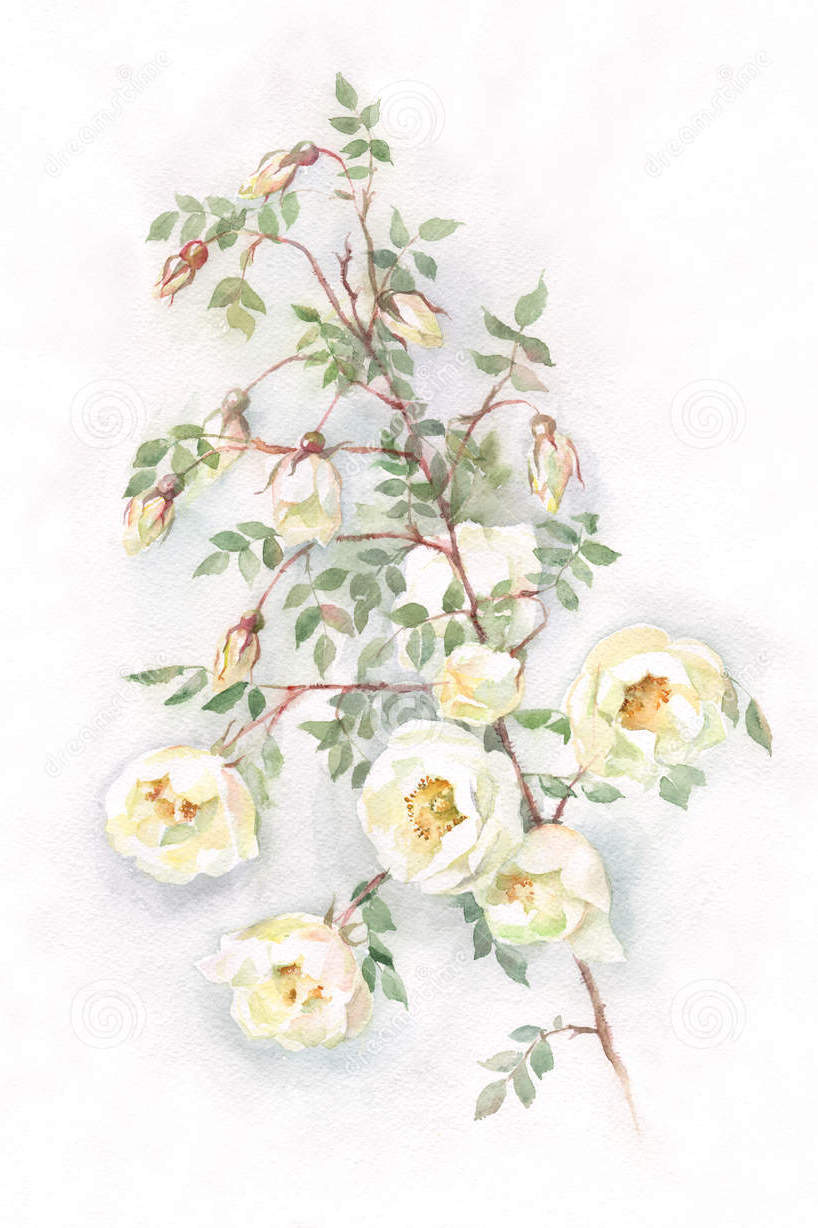
Soft Wild Rose Memory Blog.
The vision for Soft Wild Rose Memory Blog,
immerses a natural lifestyle, a calm & vivid oasis, while embracing
nature, learning, harmony, savoring, meditation,
and also it involves nurturing the subconscious
& senses with healing, nurturing imagery, inspiration..
- Soft Wild Rose Memory. {Music} Posts
- Add Cinnamon flower :) Powder To Your Tea and Coffee And This Will Happen
- Aman Hanoi
- Drinking tea at a traditional Korean Tea House (전통 찻집) in Insadong, Seoul, Korea
- Le Mirador, Montreux, Switzerland
- JAPANESE TEA FARM IN SHIZUOKA����
- Maesil extract (Maesil-cheong) is used widely in traditional Korean cuisine as a sweetener. It's made from maesil (aka green plums) Japanese apricot
- Soft Wild Rose Memory. {Birdsong) Posts
- Soft Wild Rose Memory, {Health Posts}
- Soft Wild Rose Memory., {Organic Life} Posts
- Mariage D'Amour
- Masai Mara - safari adventure in a wildlife paradise - Predators, big herds and wildebeest migration
- Old Town of Lijiang, Yunnan, China)
- Oriental Posts, Soft Wild Rose Memory
- The Ryokan Collection
Soft Wild Rose Memory. All Postings.
Soft Wild Rose Memory. All Postings.
-
-
-
-
-
-
-
-
-
- 0:44 / 2:48 Salad Recipe: Arugula Salad with Lemon...
- Anna Karenina with my Scarlette Starlette..:)
- Annette Hanshaw - I'm Following You (1930)--pretty...
- Annette Hanshaw~Cooking Breakfast for the One I Lo...
- Lemon Cupcakes with a Lavender Icing...
- Simple and Delicious Apricot Jam...
- Roasted stuffed Quail Home Cooking ..
- Stuffed Quail with Pancetta, Butternut and Leeks w...
- Stuffed Quail and Wild Mushroom Risotto ;)
- Stuffed Quail with Rosemary on Sporting Chef TV
- How To Make French Hot Chocolate At Home...
- Sunday Munchies-How to Make Creamy Oatmeal Corn wi...
- Food Wishes Recipes - Roast Quail with Cured Lemon...
- Tarte Flambée-recipe :)
- How to Make Tarte Flambée - The real Flammekuech.....
- Master Class: Andre Soltner Makes Bacheofe..
- Duck with cherries (canard aux cerises) - French C...
- Hyolmo/Helambu traditional Himalayan smashed potat...
- Tibetan Food in Thimphu - Bhutan Food and Travel G...
- How to Make Authentic Seafood Paella | Seafood Recipe
- Linguine with Clams | Epicurious-Yummy :)
- Yaourt à la confiture...
- My top 10: The most romantic scenes in movies...
- Goat milk soap with honey...
- Thai Center: Background Oriental Music for Spa Wel...
- Sauna Music* Thai Spa Music, Healing And Relaxing ...
- Grindelwald, Switzerland....
- LIFESTYLEHOTEL Parkhotel Bellevue & Spa, Adelboden...
- Cleansing for mind & senses..
- Quotes on being Genuine,...
- Waltz of Roses ~ Eugen Doga - Gramofon¨¨˜"°º★¸.•´★...
- Wild Hearts Can't Be Broken - 35mm - HD
- Wild Hearts Can't Be Broken...
- Legends Of The Fall - The Ludlows (Lendas da Paixão)
- Sensitivity to people & energy...
- Symphony from one of my favorite movies, "Legends ...
- Native American mothers ask...
- Native American Families Seek Justice For Women Mi...
- A Conversation With Native Americans on Race | Op-...
- 'They come here to hunt': Surviving sexual violenc...
- America is a stolen country'...
- Wind River...what started my passion of the injust...
- Wald und Wiesen...
- Truth & Thoughts...
- Risotto ...yum =)
- Montreux Roses...
- Sketch...
- Charming discoveries , Switz....
- Ella & Louis - Cheek to Cheek
- Pretty...
- Françoise Hardy - Mon amie la rose (1965)....
- Rosiers Sous L'arbre....
- My Home of many months, Beau Rivage, Geneva....jus...
- I just become this sweet little gothic kitten doll...
- Life in Switz photos....with Adelia & Feia..
- In front of Chateau de Penthes , Geneva.. :)
- My adorable fur children, summertime , Switzerland :)
- Berries are so high in natural antioxidants & yumm...
- Summer Picnics in Maine...
- Introduction to Austrian wine: History, wine regio...
- The South Styrian Wine Road in Austria
- One of my favorites:) Pouilly-Fuissé, explained by...
- Guild of Sommeliers on the Wines of Alsace
- Guild of Sommeliers on the Wines of Alsace
- Tarte Flambée - The Cream, Bacon and onion Alsatia...
- How to Make Mario Batali's Alsatian Tarte Flambe |...
- A Perfect Match: Alsatian Three-Meat Casserole wit...
- Chef David preparing Paella in Malaga, Andalucia, ...
- Andalucian Tapas =)
- One of the most beautiful spanish guitar song ever
- Vengo flamenco gypsies dancing spain spanish music...
- MALAGUENA FLAMENCO SPAIN GUITAR ANDALUCIA GRANADA ...
- spanish arabic fusion music-oud vs guitar
- Andalucia is always so warm ;) exciting, interesti...
- Bulgaria beckons to my soul...:)
- Thracian Plain, Bulgaria: Valley of the Roses
- Meditation...
- Relaxing Piano Background Music Instrumental - Swi...
- Gimmelwald, Switzerland: Best of the Alps
- Hotel Le Mirador Resort & Spa
- My favorite romantic & healing haven...:)
- Thermes Parc Spa Hôtel Switzerland | First Ethical...
- A really wonderful healing escape....Grand Resort ...
- Being in a constant relationship...
- In relationships...
- What was the best day of your life....
- Sometimes...
- White tea Bai Hao Yin Zhen - tea tasting Fresh Chi...
- Good VS Bad Tea - Bai Hao Yin Zhen (Silver Needle)
- How to Brew Huang Zhi Xiang Oolong Tea...
- Beautiful Chinese Music - Harvest of Tea
- Beautiful Chinese Music - Bamboo Flute...
- Switzerland nature is so lovely..this photo from e...
- In one of my serene, lovely.. places, Vevey, Switz...
- Lausanne, Beau Rivage...
- I still remember how i loved this sun dress, & eve...
- When I was completely Au Naturale ...i dont know w...
- Love of Swiss chocolate also..just so creamy :)
- When life was so serene in Switzerland..
- 🌷 Waltz of Roses, Waltz of Love 🌷...
- vie d'une rose, amoureuse ...
- vie d'une rose, amoureuse ...
- Dream A Little Dream Of Me - Cover by Daisy Clark ...
- Château de Chillon, Montreux, Switzerland
- Zweisimmen-Montreux. GoldenPass Line Train. Switze...
- Beautiful Film of my Lovely Montreux...
- Classical Music - The Romantic Age....
- Mariage d'Amour - Paul de Senneville || Jacob's Pi...
- Omar Bashir ~ My Favourite Dance
- Joe Dassin - Salut
- Diana Panton - Tu sais je vais t´aimer
- Beautiful Calvados in Normandy...
- Routes de Cidre....The Normandy Route du Cidre
- Explore These 25 French Ciders — And Impress Your ...
- Yes. It's true: France is known for cider (called ...
- Beautiful Swan Pate à Choux
- Gougères / Cheese Puffs – Bruno Albouze – THE REAL...
- Ludo à la Maison - Lemon Tart...
- Family Home Style Roast Chicken ( using the 3 stag...
- Flathead Filet with Dugléré Sauce & How To Cook a ...
- Pot Au Feu with This French cooking video tutorial...
- How To Make Pommes Dauphine: (French potato puffs ...
- Gourmandine Potato, a favorite & loved potato in F...
- Lovely French Varieties of Potatoes =)
- Gratin Dauphinois (Creamy Potato Bake) | All Time ...
- Twice Cooked Comte Cheese Souffle with Pancetta & ...
- Chicken Vallee D'auge Recipe -Loving & Fun Comment...
- Chicken Vallee D'auge Recipe . Apple Cider Chicken...
-
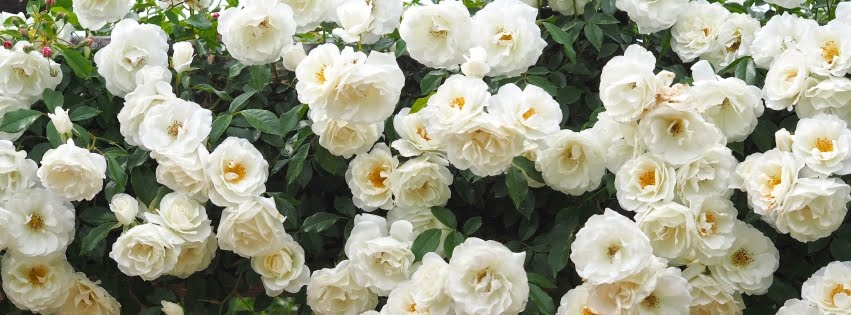


Artisan+Appreciative+Savoring Lifestyle, of Western & Eastern philosophy, approach, art, song, wellbeing, design... “You were born a child of light’s wonderful secret— you return to the beauty you have always been.”

Soft Wild Rose Memory Blog.

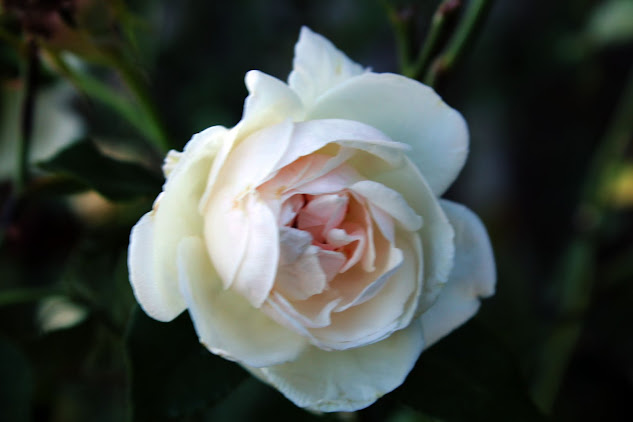
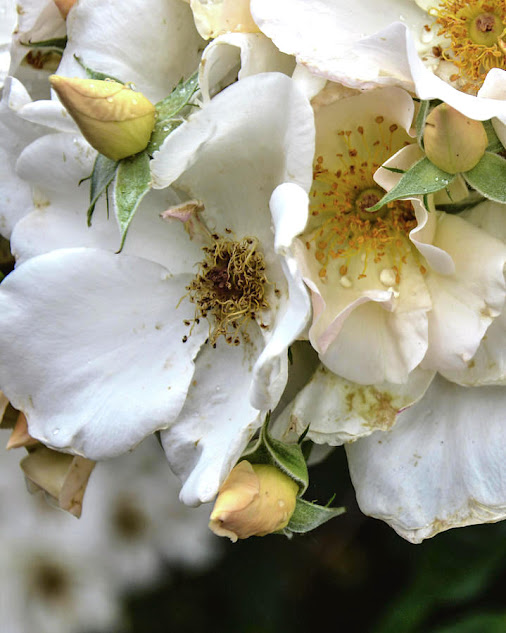
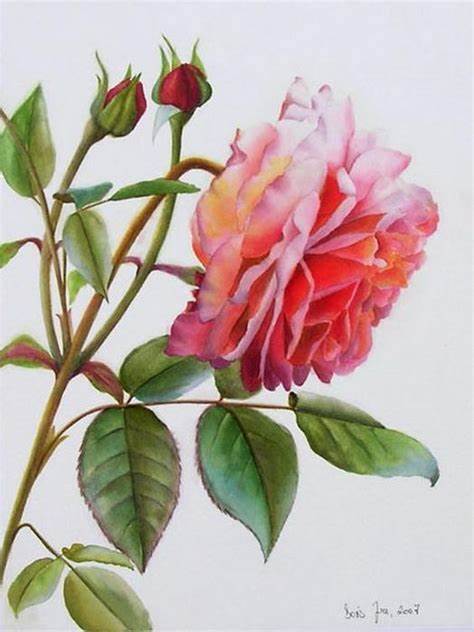

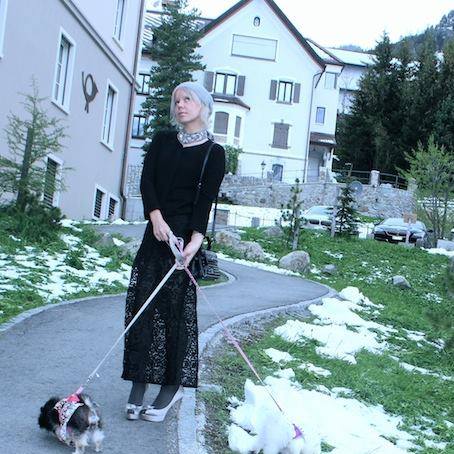
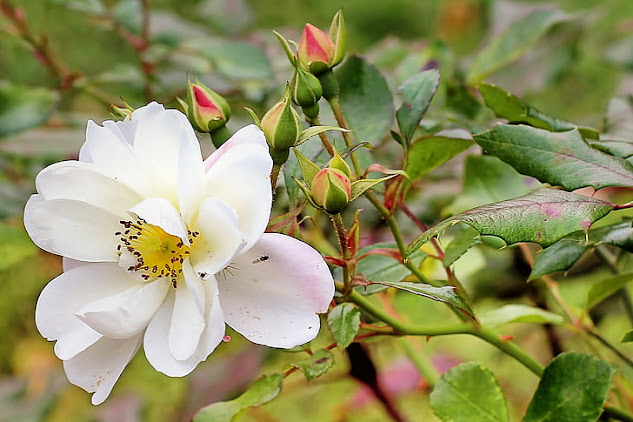

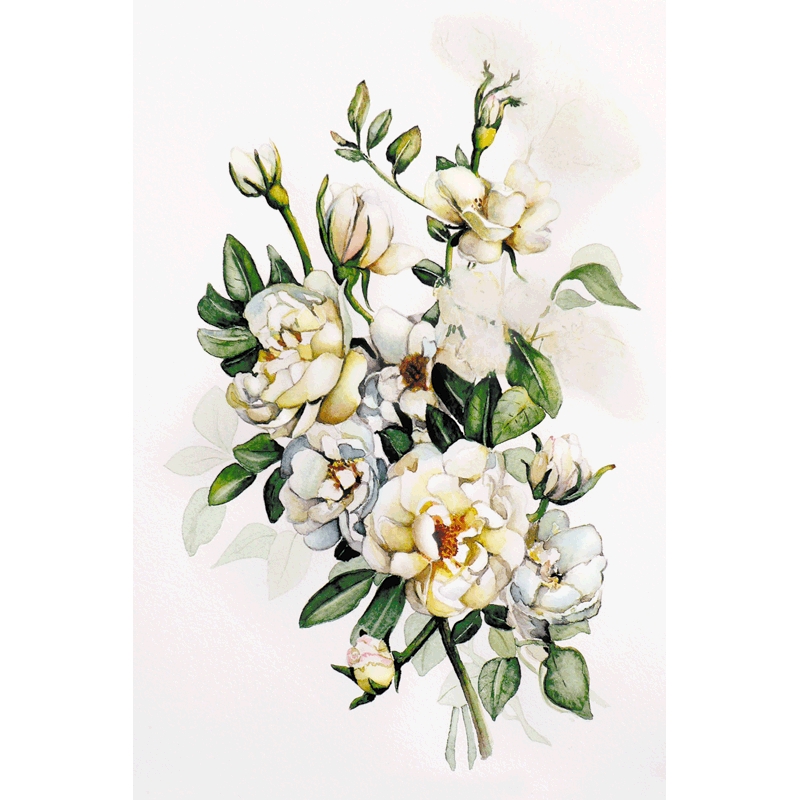
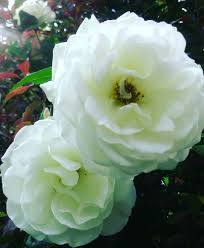

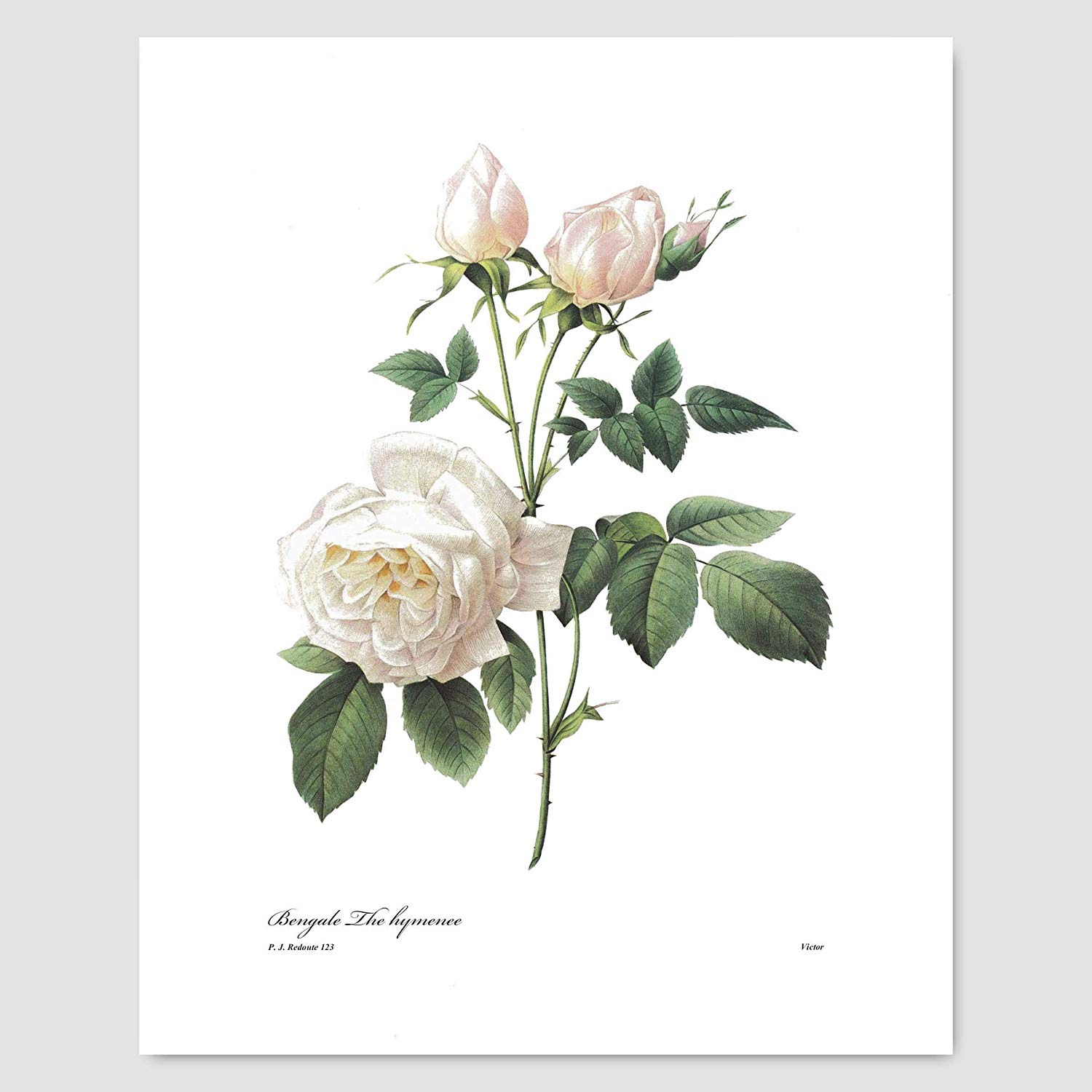
Remember...
"Remember the life...and the flowers..."
-Lilia Kalinina...
Love the world as your own self; then you can truly care for all things. Lao Tzu
....
"When one tugs at a single thing in nature, he finds it attached to the rest of the world." John Muir
Soul...
"Oh...but the soul speaks...it always speaks..."
-Lilia Kalinina
Life...
“Two things you will never have to chase: True friends & true love.”
― Mandy Hale
― Mandy Hale
― C. JoyBell C.
“You only need one man to love you. But him to love you free like a wildfire, crazy like the moon, always like tomorrow, sudden like an inhale and overcoming like the tides. Only one man and all of this.”
― C. JoyBell C.
― C. JoyBell C.
Nature...
"The lover of nature is he whose inward and outward senses are still truly adjusted to each other; who has retained the spirit of infancy even into the era of manhood. His intercourse with heaven and earth, becomes part of his daily food. " Ralph Waldo Emerson



Popular Posts


Gordon Ramsay visits a traditional Parisienne baker who produces traditional hand made croissant. He learns to make the perfect croissant.
- Get link
- X
- Other Apps

Antique Decorative hand fan with ivory and lace
- Get link
- X
- Other Apps


0:21 / 1:35 Vermont CBD Hemp Fields From Above - Heady Vermont
- Get link
- X
- Other Apps

Praslin Seychelles Amazing Overlook Anse Petite Cour Curieuse Le Domaine de la Reserve 2017 4k Hik
- Get link
- X
- Other Apps

Wikipedia
Search results
Translate
- Get link
- X
- Other Apps
Lovely French Varieties of Potatoes =)
French flavour
What’s so special about French potatoes? As with most French food, the emphasis is on flavour – varieties simply don’t last long if they don’t taste good. Heft and disease resistance come a very distant second.It’s also partly cultural – potatoes are seen as a bright, pleasurable presence on the plate rather than edible ballast, something to fill up on, and the popular French varieties reflect that.
Potatoes divide semi-tidily into two camps: the early, largely salad varieties, and the later, often flourier types.
The first camp accounts for 80 per cent or more of my potato patch, largely because they perform as if someone listened to all our gardening whinges and invented early potatoes in response.
They give you the most flavour and the finest texture, and you get them cheaply: shop-bought earlies can be wildly expensive and the flavour of home-grown salad potatoes eaten soon after lifting is – as with asparagus, sweetcorn and peas – of a different order to even the best you can buy.
More importantly, growing your own gives you access to the most delicious varieties, largely not available in the shops.
Earlies are largely trouble-free too, being planted, grown and harvested before midsummer when the warm weather that encourages blight arrives.
Once potatoes are lifted, the space is freed in time to plant out courgettes, squash or whateveryou fancy to take its place. In short, growing predominantly earlies gives you the best of all potato worlds.
Thanks to Jean, I’m growing even more French varieties alongside ‘International Kidney’, ‘Foremost’ and other British earlies. And there is no need for any concern about how they might perform on this side of the Channel. Many have been developed and are commonly grown in high-altitude areas of France, making them well suited to our typically cool and rainy climate.
Potato days
Good suppliers will have at least some of these varieties, but a Potato Day is, nerdy as it sounds,often the best place to source your potatoes. You can buy them in ones and twos of each type, which yield a great variety of flavour.
Maincrop varieties can be wonderful, too, if you choose well. ‘British Queen’ and ‘Pink Fir Apple’ are among those I’m growing from this side of the Channel, alongside ‘Ratte’ and ‘Bleu D’Auvergne’ from across the water. All are worth the Russian roulette with blight, just don’t gamble too much of your plot on them in case blight hits.
And as luck would have it, ‘Bleu D’Auvergne’ is traditionally used for Aligot – essentially, potato mashed with garlic, butter and cheese with all the rib-sticking wonderfulness that implies – see above right for the recipe.
BEST VARIETIES
‘Ratte’ – aka ‘Asparges’ or ‘Cornichon’ – Early maincrop.
An old (1872) fingerling variety (long and thin) that keeps its shape well when cooked. More importantly, its distinctive chestnut flavour becomes even more pronounced when eaten cold or just-warm in salads.
An old (1872) fingerling variety (long and thin) that keeps its shape well when cooked. More importantly, its distinctive chestnut flavour becomes even more pronounced when eaten cold or just-warm in salads.
‘Roseval’ – Second early. A waxy salad potato from the Fifties, with a dark red Skin and a deep yellow flesh with a mild, buttery flavour.
‘Charlotte’ – Second early. A fairly new and reliable variety (inset), widely grown commercially. Can produce rather large tubers.
‘Belle de Fontenay’ – Second early
An old (1885) variety that is hugely popular here and in France. Really flavoursome and with a superb waxy texture.
An old (1885) variety that is hugely popular here and in France. Really flavoursome and with a superb waxy texture.
‘Cherie’ – First early
A fabulous, recent variety with beautiful deep rose skin and a yellow, waxy flesh. Delicious, perfect for salads and fine sautéed too.
A fabulous, recent variety with beautiful deep rose skin and a yellow, waxy flesh. Delicious, perfect for salads and fine sautéed too.
‘Cheyenne’ – Second early
A recent, red-skinned, yellow-fleshed salad variety with a fine flavour. If you are overrun with salad potatoes, leave these to mature.
A recent, red-skinned, yellow-fleshed salad variety with a fine flavour. If you are overrun with salad potatoes, leave these to mature.
‘Bleu D’Auvergne’. Main crop.
A classic French heirloom with a purple-blue skin and waxy white flesh. Purées perfectly thanks to its fine-grained texture. Not to be confused with, but very happy to be eaten with, the cheese of the same name.
A classic French heirloom with a purple-blue skin and waxy white flesh. Purées perfectly thanks to its fine-grained texture. Not to be confused with, but very happy to be eaten with, the cheese of the same name.
‘Coquine’ – Second early
A new variety that’s a bit of a hedge-your-bets choice as it’s bred for resistance to late blight but has all the fine flavour you’d expect of a French salad variety.
A new variety that’s a bit of a hedge-your-bets choice as it’s bred for resistance to late blight but has all the fine flavour you’d expect of a French salad variety.
First early Plant end Feb to late May, 10 weeks to harvest.
Second early Plant March to late May, 13 weeks to harvest.
Main crop Plant March to mid May, 20 weeks to harvest.
Reader offer: If you’d like to try six different potato varieties, or want to grow them on the patio in potato bags, try this “taster” collection (see page 4 for full details). It contains five tubers of each of the following six varieties (so you will receive 30 tubers in total: 'Casablanca', 'Charlotte’, ‘International Kidney’, ‘Rocket’, ‘Swift’ and ‘Pink Fir Apple’.
- Get link
- X
- Other Apps
Comments
Post a Comment