Search This Blog



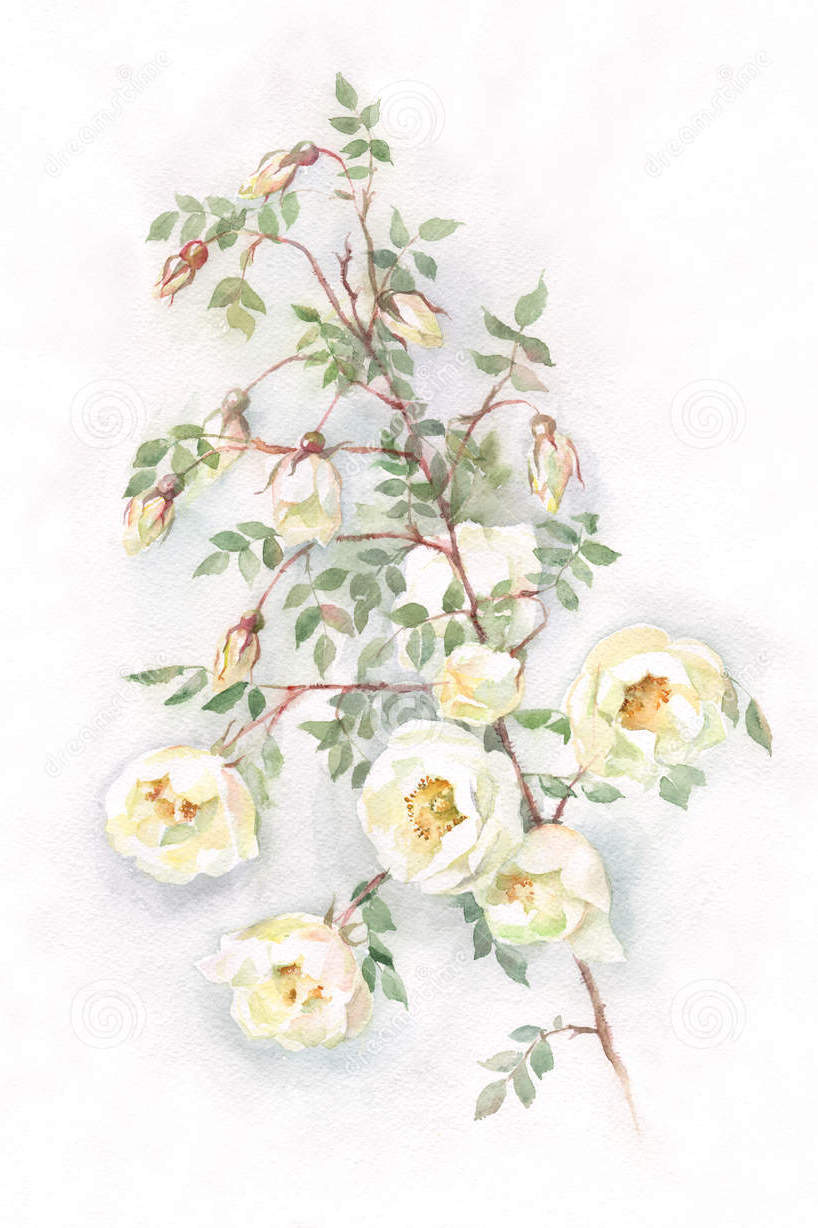
Soft Wild Rose Memory Blog.
The vision for Soft Wild Rose Memory Blog,
immerses a natural lifestyle, a calm & vivid oasis, while embracing
nature, learning, harmony, savoring, meditation,
and also it involves nurturing the subconscious
& senses with healing, nurturing imagery, inspiration..
- Soft Wild Rose Memory. {Music} Posts
- Add Cinnamon flower :) Powder To Your Tea and Coffee And This Will Happen
- Aman Hanoi
- Drinking tea at a traditional Korean Tea House (전통 찻집) in Insadong, Seoul, Korea
- Le Mirador, Montreux, Switzerland
- JAPANESE TEA FARM IN SHIZUOKA����
- Maesil extract (Maesil-cheong) is used widely in traditional Korean cuisine as a sweetener. It's made from maesil (aka green plums) Japanese apricot
- Soft Wild Rose Memory. {Birdsong) Posts
- Soft Wild Rose Memory, {Health Posts}
- Soft Wild Rose Memory., {Organic Life} Posts
- Mariage D'Amour
- Masai Mara - safari adventure in a wildlife paradise - Predators, big herds and wildebeest migration
- Old Town of Lijiang, Yunnan, China)
- Oriental Posts, Soft Wild Rose Memory
- The Ryokan Collection
Soft Wild Rose Memory. All Postings.
Soft Wild Rose Memory. All Postings.
-
-
-
-
-
-
-
-
-
- 0:44 / 2:48 Salad Recipe: Arugula Salad with Lemon...
- Anna Karenina with my Scarlette Starlette..:)
- Annette Hanshaw - I'm Following You (1930)--pretty...
- Annette Hanshaw~Cooking Breakfast for the One I Lo...
- Lemon Cupcakes with a Lavender Icing...
- Simple and Delicious Apricot Jam...
- Roasted stuffed Quail Home Cooking ..
- Stuffed Quail with Pancetta, Butternut and Leeks w...
- Stuffed Quail and Wild Mushroom Risotto ;)
- Stuffed Quail with Rosemary on Sporting Chef TV
- How To Make French Hot Chocolate At Home...
- Sunday Munchies-How to Make Creamy Oatmeal Corn wi...
- Food Wishes Recipes - Roast Quail with Cured Lemon...
- Tarte Flambée-recipe :)
- How to Make Tarte Flambée - The real Flammekuech.....
- Master Class: Andre Soltner Makes Bacheofe..
- Duck with cherries (canard aux cerises) - French C...
- Hyolmo/Helambu traditional Himalayan smashed potat...
- Tibetan Food in Thimphu - Bhutan Food and Travel G...
- How to Make Authentic Seafood Paella | Seafood Recipe
- Linguine with Clams | Epicurious-Yummy :)
- Yaourt à la confiture...
- My top 10: The most romantic scenes in movies...
- Goat milk soap with honey...
- Thai Center: Background Oriental Music for Spa Wel...
- Sauna Music* Thai Spa Music, Healing And Relaxing ...
- Grindelwald, Switzerland....
- LIFESTYLEHOTEL Parkhotel Bellevue & Spa, Adelboden...
- Cleansing for mind & senses..
- Quotes on being Genuine,...
- Waltz of Roses ~ Eugen Doga - Gramofon¨¨˜"°º★¸.•´★...
- Wild Hearts Can't Be Broken - 35mm - HD
- Wild Hearts Can't Be Broken...
- Legends Of The Fall - The Ludlows (Lendas da Paixão)
- Sensitivity to people & energy...
- Symphony from one of my favorite movies, "Legends ...
- Native American mothers ask...
- Native American Families Seek Justice For Women Mi...
- A Conversation With Native Americans on Race | Op-...
- 'They come here to hunt': Surviving sexual violenc...
- America is a stolen country'...
- Wind River...what started my passion of the injust...
- Wald und Wiesen...
- Truth & Thoughts...
- Risotto ...yum =)
- Montreux Roses...
- Sketch...
- Charming discoveries , Switz....
- Ella & Louis - Cheek to Cheek
- Pretty...
- Françoise Hardy - Mon amie la rose (1965)....
- Rosiers Sous L'arbre....
- My Home of many months, Beau Rivage, Geneva....jus...
- I just become this sweet little gothic kitten doll...
- Life in Switz photos....with Adelia & Feia..
- In front of Chateau de Penthes , Geneva.. :)
- My adorable fur children, summertime , Switzerland :)
- Berries are so high in natural antioxidants & yumm...
- Summer Picnics in Maine...
- Introduction to Austrian wine: History, wine regio...
- The South Styrian Wine Road in Austria
- One of my favorites:) Pouilly-Fuissé, explained by...
- Guild of Sommeliers on the Wines of Alsace
- Guild of Sommeliers on the Wines of Alsace
- Tarte Flambée - The Cream, Bacon and onion Alsatia...
- How to Make Mario Batali's Alsatian Tarte Flambe |...
- A Perfect Match: Alsatian Three-Meat Casserole wit...
- Chef David preparing Paella in Malaga, Andalucia, ...
- Andalucian Tapas =)
- One of the most beautiful spanish guitar song ever
- Vengo flamenco gypsies dancing spain spanish music...
- MALAGUENA FLAMENCO SPAIN GUITAR ANDALUCIA GRANADA ...
- spanish arabic fusion music-oud vs guitar
- Andalucia is always so warm ;) exciting, interesti...
- Bulgaria beckons to my soul...:)
- Thracian Plain, Bulgaria: Valley of the Roses
- Meditation...
- Relaxing Piano Background Music Instrumental - Swi...
- Gimmelwald, Switzerland: Best of the Alps
- Hotel Le Mirador Resort & Spa
- My favorite romantic & healing haven...:)
- Thermes Parc Spa Hôtel Switzerland | First Ethical...
- A really wonderful healing escape....Grand Resort ...
- Being in a constant relationship...
- In relationships...
- What was the best day of your life....
- Sometimes...
- White tea Bai Hao Yin Zhen - tea tasting Fresh Chi...
- Good VS Bad Tea - Bai Hao Yin Zhen (Silver Needle)
- How to Brew Huang Zhi Xiang Oolong Tea...
- Beautiful Chinese Music - Harvest of Tea
- Beautiful Chinese Music - Bamboo Flute...
- Switzerland nature is so lovely..this photo from e...
- In one of my serene, lovely.. places, Vevey, Switz...
- Lausanne, Beau Rivage...
- I still remember how i loved this sun dress, & eve...
- When I was completely Au Naturale ...i dont know w...
- Love of Swiss chocolate also..just so creamy :)
- When life was so serene in Switzerland..
- 🌷 Waltz of Roses, Waltz of Love 🌷...
- vie d'une rose, amoureuse ...
- vie d'une rose, amoureuse ...
- Dream A Little Dream Of Me - Cover by Daisy Clark ...
- Château de Chillon, Montreux, Switzerland
- Zweisimmen-Montreux. GoldenPass Line Train. Switze...
- Beautiful Film of my Lovely Montreux...
- Classical Music - The Romantic Age....
- Mariage d'Amour - Paul de Senneville || Jacob's Pi...
- Omar Bashir ~ My Favourite Dance
- Joe Dassin - Salut
- Diana Panton - Tu sais je vais t´aimer
- Beautiful Calvados in Normandy...
- Routes de Cidre....The Normandy Route du Cidre
- Explore These 25 French Ciders — And Impress Your ...
- Yes. It's true: France is known for cider (called ...
- Beautiful Swan Pate à Choux
- Gougères / Cheese Puffs – Bruno Albouze – THE REAL...
- Ludo à la Maison - Lemon Tart...
- Family Home Style Roast Chicken ( using the 3 stag...
- Flathead Filet with Dugléré Sauce & How To Cook a ...
- Pot Au Feu with This French cooking video tutorial...
- How To Make Pommes Dauphine: (French potato puffs ...
- Gourmandine Potato, a favorite & loved potato in F...
- Lovely French Varieties of Potatoes =)
- Gratin Dauphinois (Creamy Potato Bake) | All Time ...
- Twice Cooked Comte Cheese Souffle with Pancetta & ...
- Chicken Vallee D'auge Recipe -Loving & Fun Comment...
- Chicken Vallee D'auge Recipe . Apple Cider Chicken...
-
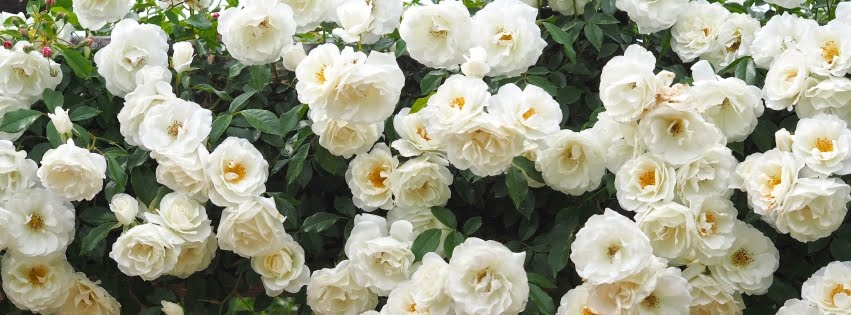


Artisan+Appreciative+Savoring Lifestyle, of Western & Eastern philosophy, approach, art, song, wellbeing, design... “You were born a child of light’s wonderful secret— you return to the beauty you have always been.”

Soft Wild Rose Memory Blog.

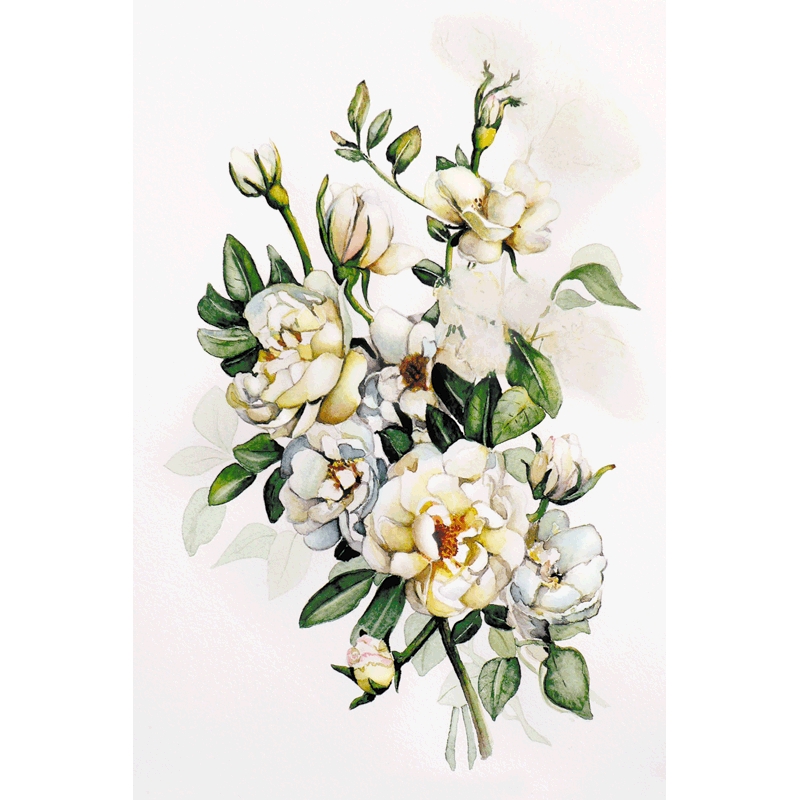
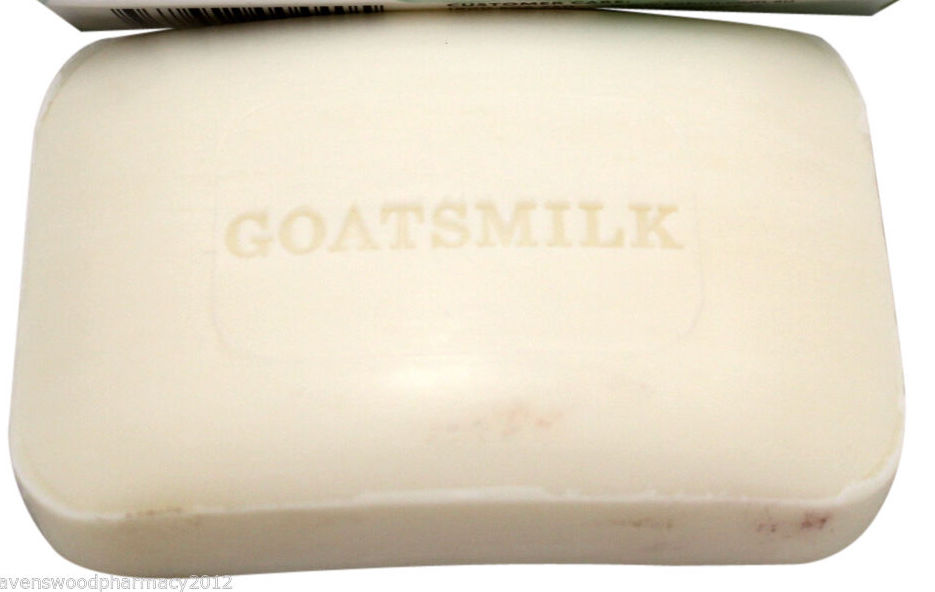
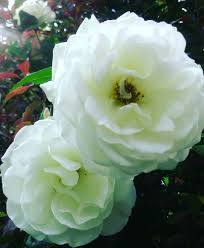

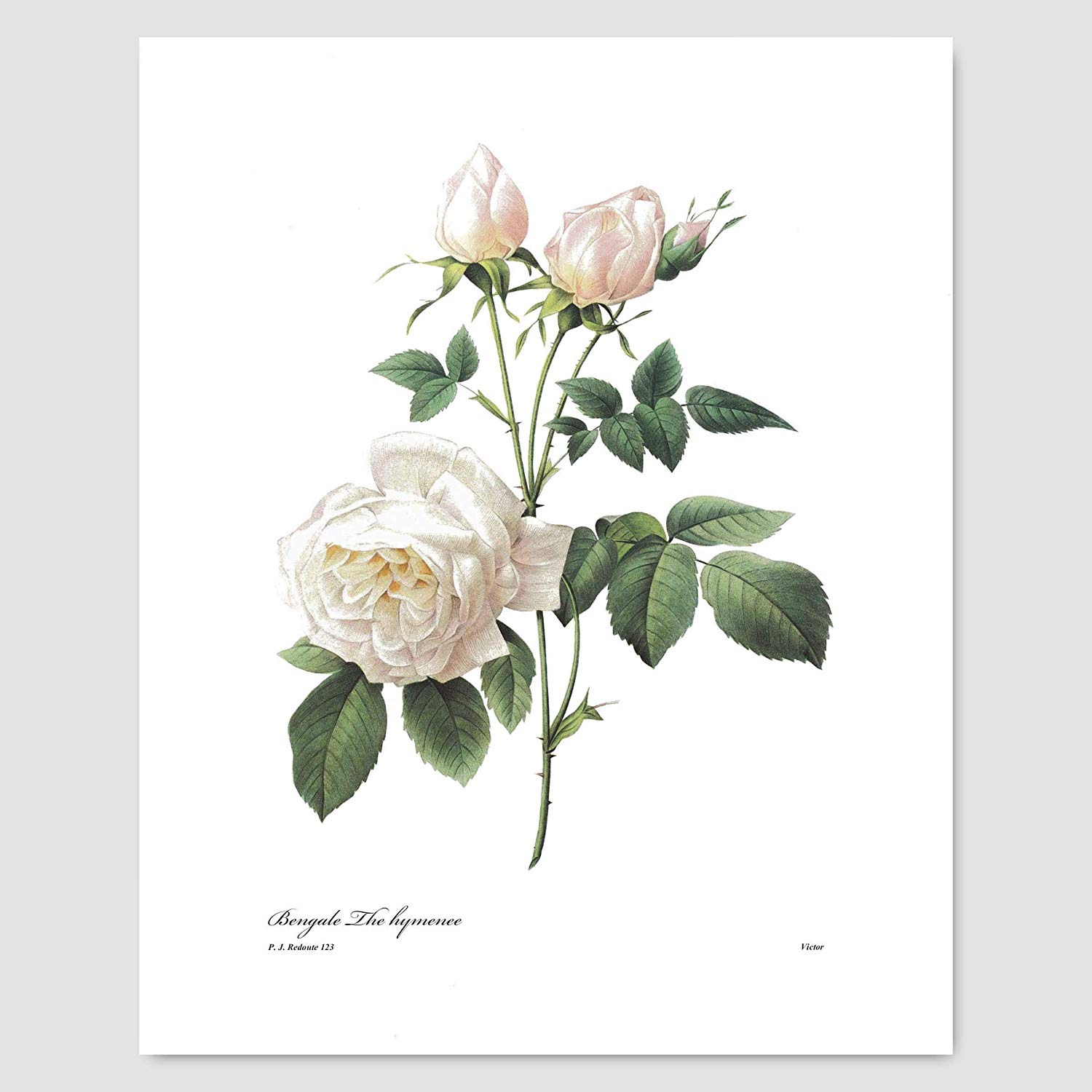
Remember...
"Remember the life...and the flowers..."
-Lilia Kalinina...
Love the world as your own self; then you can truly care for all things. Lao Tzu
....
"When one tugs at a single thing in nature, he finds it attached to the rest of the world." John Muir
Soul...
"Oh...but the soul speaks...it always speaks..."
-Lilia Kalinina
Life...
“Two things you will never have to chase: True friends & true love.”
― Mandy Hale
― Mandy Hale
― C. JoyBell C.
“You only need one man to love you. But him to love you free like a wildfire, crazy like the moon, always like tomorrow, sudden like an inhale and overcoming like the tides. Only one man and all of this.”
― C. JoyBell C.
― C. JoyBell C.
Nature...
"The lover of nature is he whose inward and outward senses are still truly adjusted to each other; who has retained the spirit of infancy even into the era of manhood. His intercourse with heaven and earth, becomes part of his daily food. " Ralph Waldo Emerson



Popular Posts


Gordon Ramsay visits a traditional Parisienne baker who produces traditional hand made croissant. He learns to make the perfect croissant.
- Get link
- X
- Other Apps

Antique Decorative hand fan with ivory and lace
- Get link
- X
- Other Apps


0:21 / 1:35 Vermont CBD Hemp Fields From Above - Heady Vermont
- Get link
- X
- Other Apps

Praslin Seychelles Amazing Overlook Anse Petite Cour Curieuse Le Domaine de la Reserve 2017 4k Hik
- Get link
- X
- Other Apps

Wikipedia
Search results
Translate
- Get link
- X
- Other Apps
Yes. It's true: France is known for cider (called cidre in France)...
At a recent holiday event, a number of party goers were surprised that France produces cider. France is synonymous, of course, with wine, champagne, cognac, and a host of other delicious spirits and beverages, but cider?
Yes. It's true: France is known for cider (called cidre in France). In fact, France is the largest cider producing country in the world!
And it's been producing some of the world's finest ciders for a very long time.
It appears that cider has been made in France since as early as the Celtic Gauls (1st century BC) and also under Roman rule (100 to 300 AD). There are historical references in the 9th century about Charlemagne ordering the planting of apple trees in Northern France so that he could always have a supply of cider. It is also mentioned during the time of William the Conqueror, the Norman duke who claimed the throne of England after the Battle of Hastings in 1066. Cider was widely consumed by these early Normans, because grapes didn't (and still don't) grow so well in the cool, cloudy Normandy climate. The abundance of apples made cider easier to come by on a daily basis.
Cider was a mainstay in France during Medieval times. Water was impure and often unfit to drink in most towns and villages. And when plague struck between 1400 and 1700, many frightened villagers in France gave up water and drank cider instead. Even the kids drank cider since it was much safer than drinking the water.
From the 1800's to the 1940's, cider-making was very popular in Northern France. The 1929 agricultural census gives an idea of the area formerly covered by traditional orchards: 100 million apple and pear trees. During this time, cider was mainly produced by each family as a drink for the farm laborers ....with some occasionally making its way to the village cafe for sale to the public. This cider was put into Champagne-style bottles and corked for transport and came to be called Cidre Bouché (cider stopped with a cork!)
During World War II, many cider apple and pear orchards in Normandy were destroyed. After the war, Normandy farmers began an intensive effort to rejuvenate the orchard economy. It was at this time, that the famous Pays d'Auge Appellation d'Origine Contrôlée (AOC) status was granted by the French government to the tiny Pays d'Auge region nestled in the heart of the Calvados department in Normandy.
At the peak of traditional orchard farming, in the early 1960s, France had the most extensive fruit orchard meadows in Europe, with one million hectars (about 2.5 million acres). However, due to a weakened economy from 1960-2000, traditional orchards largely declined as farmers cut down the orchards to make way for more profitable crops. In 2002, the remaining traditional orchards covered about 146,000 hectars (about 360,000 acres) with 5 million trees.
Despite the decrease in cider orchards in the last 50 years, the tradition of cider making is alive and well in France - and making a come-back - as the adult children start to return to the orchards of their parents and grandparents to rejuvenate this important part of French culture. There are about 11,000 small farms in Normandy that grow cider apples and produce cider today, making most of it for a local clientele. You'll find cider producers in the Normandy, Brittany and Hauts de France regions (Hauts de France was formerly called Picardy). There is even a famous cider route in the Pays d'Auge region in Normandy called La Route du Cidre (the Cider Route) where you can ride a bike or drive from farm to farm tasting cider and its sophisticated cousin, Calvados, at 20 different producers located on the route.
So, as you decide what to serve your guests this holiday season, be sure to try some French ciders and poirés (pear ciders). They're champagne-like, festive, and low calorie as well. This holiday season is the perfect time to discover what you've been missing!
Sources:
https://vinepair.com/wine-blog/why-youll-find-the-best-cider-in-normandy/
www.lachouette.com
http://www.esto-project.eu/index.php?id=128
FROM CIDER TO EAU-DE-VIE
Ciders or « sicera » in Latin – which mean « intoxicating drink” – have been known since Antiquity. Drink of the Norman Vikings who drank it with beer in the 10th century, cider became a way of life in the 15th century when appreciated by aristocrats and clergy. It is at that time that there were rumors about alcohol distillation “aqua vitae” or “eau de vie” for which the distillations were done at apothecaries and monasteries.
But the first recognized Norman distillation dates from the 16th century: a noble by birth from the Cotentin named Gilles de Gouberville, wrote about for the first time in his diary on March 28th, 1553, the distillation of cider to obtain an eau-de-vie. He speaks about the culture of cider apple trees encouraged by the arrival of new varieties from the Basque country. Shortly after, in 1606, distillers of Normandy cider eau-de-vie form a corporation.
During the 17th century, traditional cider farms develop: most of the farms produce their own cider and calvados. Stills travel across the countryside to make these distillations.
THE DEVELOPMENT OF CALVADOS
With the French Revolution, the Calvados region is created, but cider eau-de-vie, mainly a farmer’s drink, was already called “calvados” by the population. After the French Revolution, product exchange is liberalized: with the help of communication means, it’s the eau-de-vie from the production zone closest to Paris that will benefit. The “calvados” becomes popular in Paris and its name includes soon all the cider eau-de-vie from Normandy.
In the 19th century, production increases with industrial distillation. The popular classes appreciate especially the “coffee-calva”. Calvados is at its peak at the end of the 19th century, when an epidemy of phylloxera destroys the vineyards.
At the beginning of the 20th century, cider eau-de-vie gains major economic importance in Normandy. The quality is improved and controlled, thanks notably to centrifugation and filtration.
In 1942, a decree recognizes the Calvados Pays d’Auge as Certified Designation of Origin and protects it from war requisitions.
- Get link
- X
- Other Apps
Comments
Post a Comment